

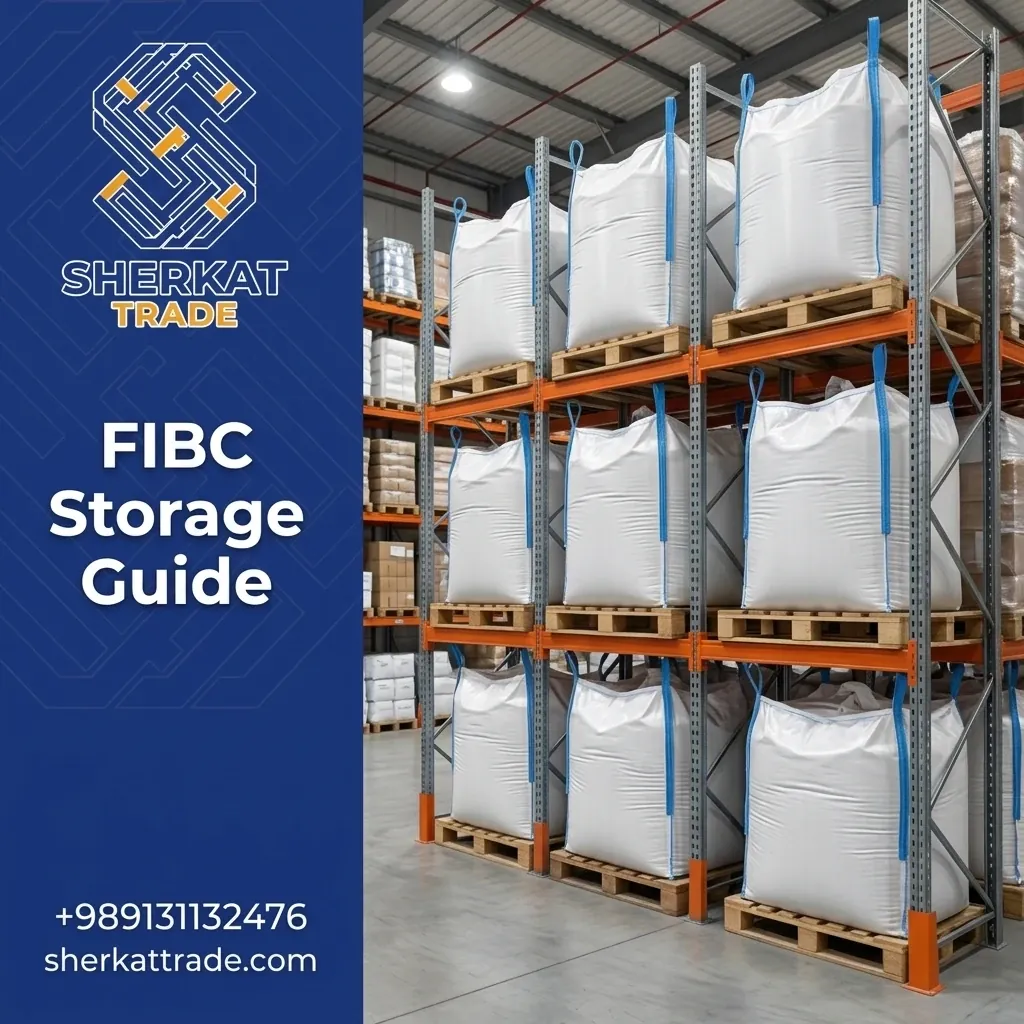
Flexible Intermediate Bulk Containers (FIBCs), universally recognized in industrial sectors as bulk bags or jumbo bags, serve as the logistical backbone for the storage and transportation of dry, flowable materials. Engineered primarily from woven polypropylene (PP), these containers are uniquely valued for their exceptional strength-to-weight ratio, allowing a flexible container weighing merely a few kilograms to safely transport heavy industrial loads ranging from 500 kg to over 2,000 kg. Despite the mechanical robustness of highly oriented polypropylene tapes, the base polymer remains inherently vulnerable to environmental degradation.
Optimizing the lifespan of an FIBC is not merely an exercise in asset preservation; it constitutes a critical safety and regulatory compliance imperative. The premature degradation of the woven fabric or the concentrated failure of lifting loops can result in catastrophic container rupture during transit or overhead suspension. This comprehensive technical report synthesizes the metallurgical, chemical, and logistical principles governing the optimal storage, handling, and reconditioning of polypropylene FIBCs.
Polymer Science: Degradation Mechanisms of Woven Polypropylene
To effectively implement longevity-enhancing storage protocols, warehouse and logistics managers must first understand the molecular vulnerabilities of the primary manufacturing material. FIBCs are constructed by extruding virgin polypropylene resin into flat tapes measuring between 2 mm and 6 mm in width and 40 to 80 micrometers in thickness. These extruded tapes are subsequently stretched at high temperatures (typically between 120°C and 140°C) to induce molecular orientation, operating at a draw ratio between 5:1 and 8:1.
This critical stretching process dramatically increases the tensile strength of the polymer from approximately 30 MPa to an impressive 400 to 700 MPa. However, this highly oriented crystalline structure also introduces specific physical vulnerabilities, particularly in the amorphous regions located between the polymer crystals where UV rays can easily penetrate and initiate molecular breakdown.
Photo-Oxidation and UV Vulnerability
Standard polypropylene is not naturally resistant to ultraviolet radiation. When exposed to sunlight, either directly or indirectly through warehouse skylights, the polymer chains undergo a destructive process known as photo-oxidation. The energy derived from UV photons cleaves the carbon-hydrogen bonds within the polymer backbone, generating free radicals.
The mechanical degradation of UV-stabilized polypropylene generally follows a highly documented three-phase pattern: Induction Phase (0-500 hours), Gradual Degradation Phase (500-2,000 hours), and Rapid Failure Phase (>2,000 hours). Without chemical intervention, unmodified polypropylene exposed to full sunlight can lose up to 70% of its structural strength within 12 months.
Chemical Intervention: UV Stabilizers and Antioxidant Additives
To combat photo-oxidation and extend the shelf life of bulk bags, high-quality FIBCs engineered for prolonged storage are compounded with highly specific chemical additives during the extrusion phase. The most effective stabilization packages utilize a synergistic combination of UV absorbers, free-radical scavengers, and antioxidants.
| Additive Classification | Typical Concentration | Mechanism of Action | Longevity Benefit |
|---|---|---|---|
| Low Molecular Weight HALS | 0.1% – 0.3% wt | Provides rapid radical scavenging at the surface layer upon initial exposure. | Delays the onset of the degradation induction phase. |
| High Molecular Weight HALS | 0.2% – 0.6% wt | Resists migration out of the polymer matrix, providing deep, enduring protection. | Ensures long-term durability over years of storage. |
| Primary Phenolic Antioxidants | 0.05% – 0.2% wt | Terminates alkyl radicals generated during high-temperature extrusion processing and field service. | Preserves tensile strength during the manufacturing phase. |
| Secondary Phosphite Antioxidants | 0.05% – 0.2% wt | Decomposes hydroperoxides into non-radical products before they can initiate chain scission. | Prevents auto-accelerating degradation chains. |
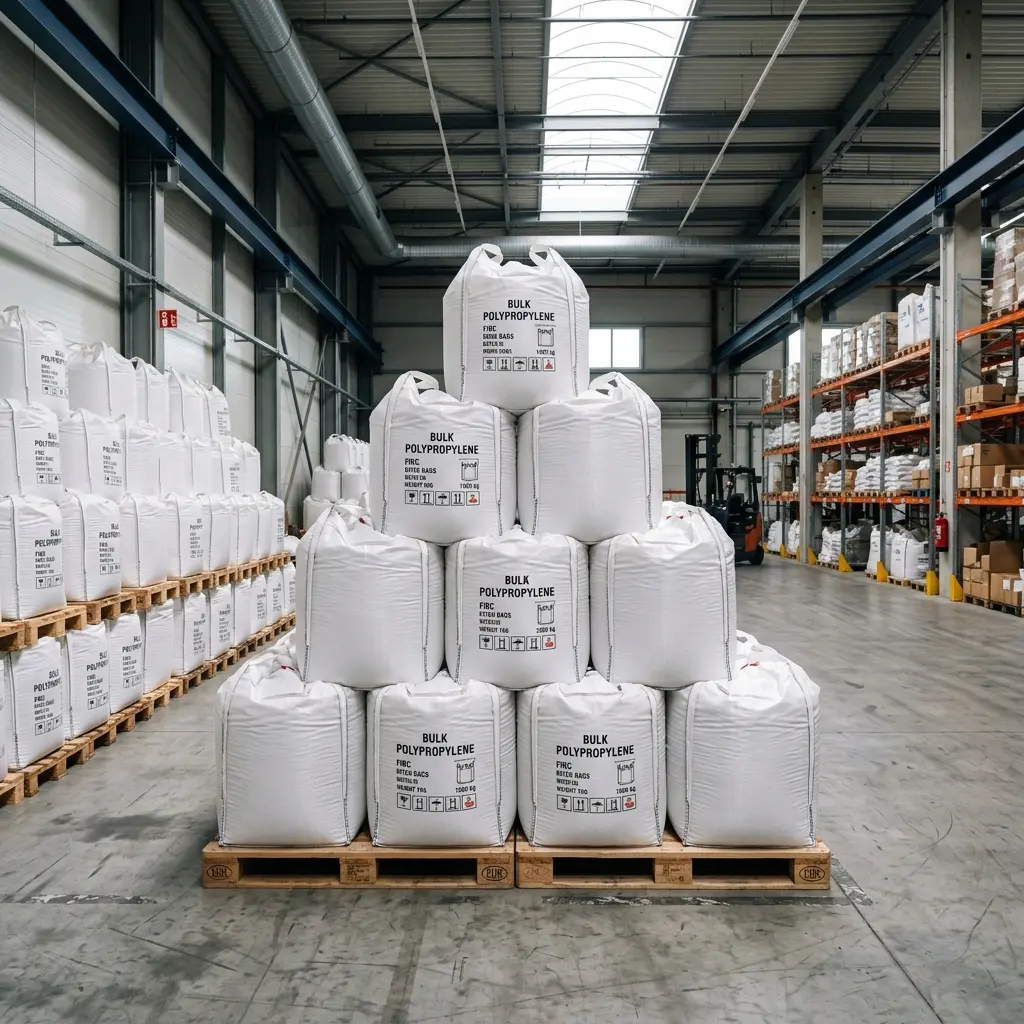
Proper Warehousing and Pyramid Stacking for FIBCs
Proper Warehousing and Pyramid Stacking for FIBCs to maintain structural integrity.
Environmental Optimization for FIBC Warehousing
While chemical stabilizers dramatically delay polymer degradation, the ultimate longevity of an FIBC is predominantly dictated by the physical parameters of its storage environment. Empty and filled bulk bags should be housed in highly controlled indoor warehouse facilities to mitigate the primary catalysts of polymer breakdown: UV light, extreme heat, ambient moisture, and abrasive ground contact.
Thermal Dynamics & Temperature
Warehouse facilities must strive to maintain ambient temperatures consistently between 10°C and 30°C (50°F to 86°F). Sustained temperatures above 60°C rapidly catalyze the breakdown of the polymer chains, dramatically reducing the protective induction period of the embedded UV stabilizers. Proper structural ventilation is absolutely critical.
Moisture & Floor Contact
Storage facilities must monitor atmospheric conditions to maintain relative humidity levels below 65%. More importantly, FIBCs must never be stored directly on dirt, gravel, or raw damp concrete floors. Bags must always be elevated on clean, smooth pallets, ideally positioned with a minimum of 10 cm of clearance off the floor to prevent abrasive damage and moisture wicking.
FIBC Architecture and Stacking Dynamics
The physical geometry of an FIBC dictates not only how efficiently it can utilize warehouse space but also how it responds to the immense mechanical stresses of vertical stacking. When filled, an FIBC can weigh upwards of 2,000 kg. Stacking these containers exerts immense, continuous compressive forces on the lower bags.
The Pyramid Method
Each bag positioned above the foundation layer must rest equally across four supporting lower bags, creating an inherently stable, interlocking pyramid structure. Each ascending tier must be precisely offset toward the center by half the width of a bag.
Supported Stacking
Bags are stacked tightly in alignment against at least two load-bearing retaining walls. The walls absorb lateral hydrostatic pressures, allowing for higher vertical stacking.
To maximize the collective lifespan of the inventory, warehouse managers must deploy strict First-In, First-Out (FIFO) inventory rotation systems. Continuous compressive weight can permanently stretch woven polypropylene tapes in a phenomenon known as "bagging out."
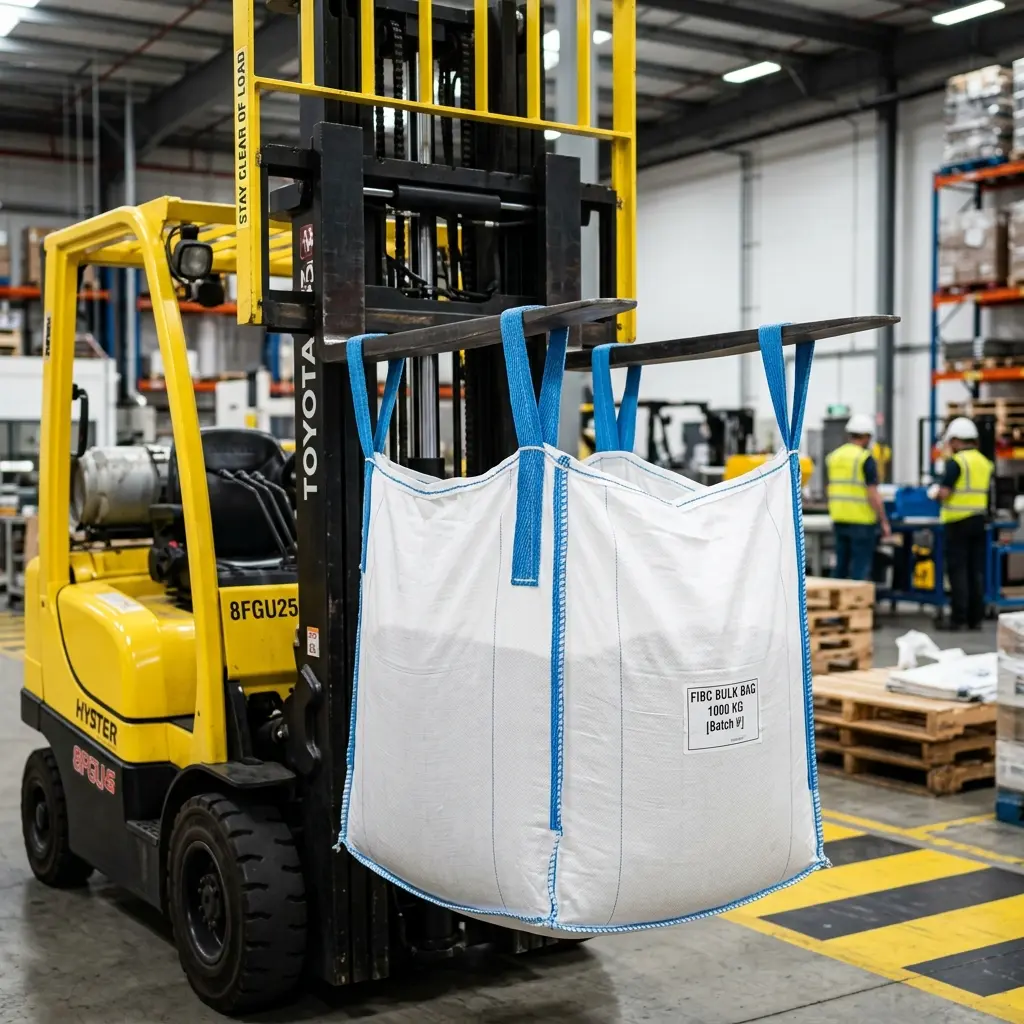
Safe Forklift Handling Protocols
Utilizing smooth forklift tines and lifting from all four loops ensures operational safety and fabric integrity.
Mechanical Handling and Operational Kinematics
The highest statistical risk of FIBC failure occurs during dynamic handling operations—specifically lifting, transporting, filling, and discharging. The kinetic forces involved require precise operational techniques to prevent catastrophic tear-outs at the lifting loops.
- Tine Geometry and Condition: Forklift tines and crane hooks must be entirely free of sharp edges, rust scales, or burrs. Edges must be chamfered with a minimum continuous radius of 5 millimeters.
- Mast Positioning: The bag must be held as close to the forklift mast as physically possible to maintain a low center of gravity. The mast should be tilted slightly backward.
- Fluid Motion Dynamics: All vertical lifts, horizontal transits, stops, and descents must be executed with smooth, fluid, controlled motions to prevent dynamic shock loads.
Electrostatic Management in Warehousing
In facilities handling highly volatile fine powders or operating in ambient environments rich with flammable vapors, the electrostatic friction generated during filling and emptying can generate massive amounts of static electricity across the polypropylene fabric.
| Classification | Properties | Mandatory Protocols |
|---|---|---|
| Type A (Standard) | Offers absolutely no static protection or dissipation mechanisms. | Forbidden for combustible materials or flammable environments. |
| Type B (Antistatic) | Low breakdown voltage (< 6kV). Prevents propagating brush discharges. | Safe for dry combustible powders. Not safe for flammable gases. |
| Type C (Conductive) | Woven with a grid of carbon/metallic threads to dissipate static. | Must be securely grounded before and during all processes. |
| Type D (Dissipative) | Utilizes corona discharge to safely dissipate energy into air. | Does not require grounding of the bag. Safe for flammable environments. |
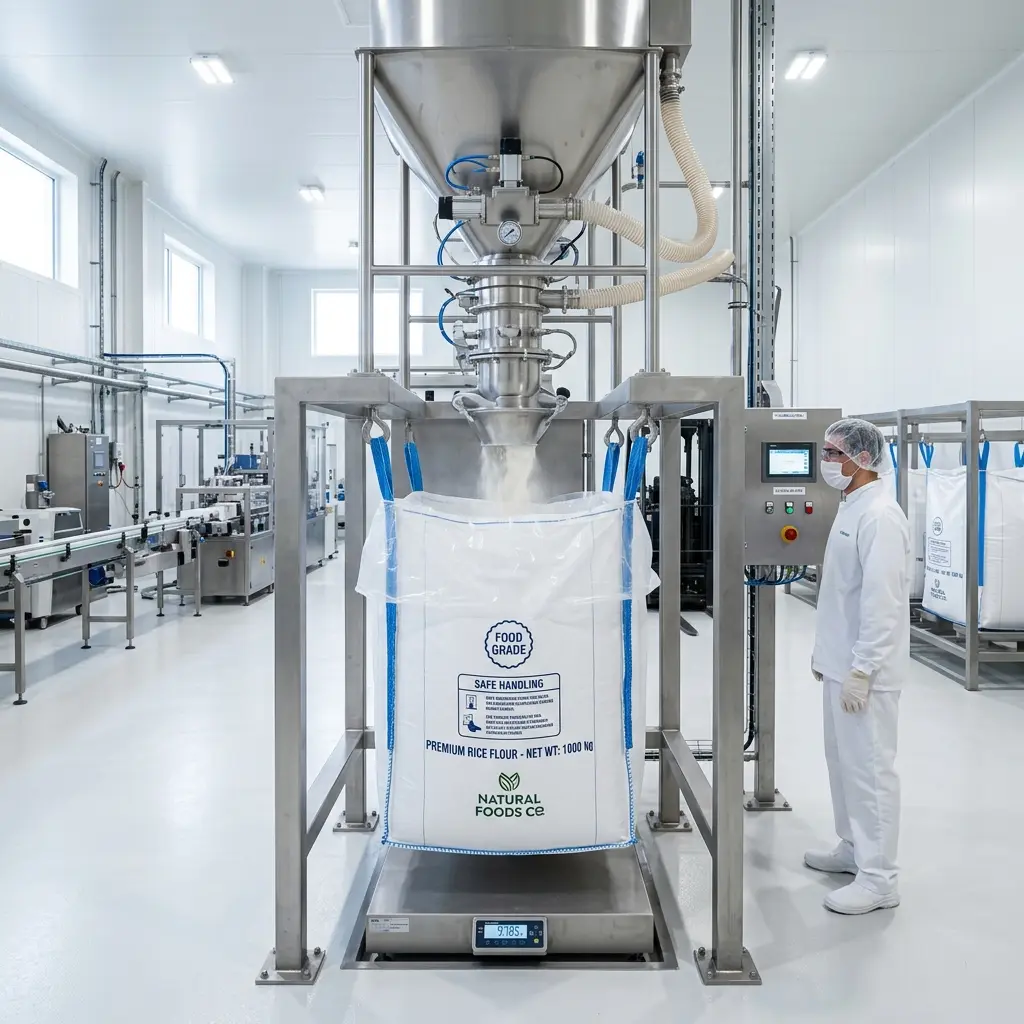
Food-Grade Hygiene and Packaging Standards
High-end food supply chains require immaculate filling conditions and virgin polymer resins.
Food-Grade Storage and Supply Chain Hygiene
When FIBCs are utilized to store and transport ingestible commodities, the storage and handling paradigms shift to rigorous microbiological and chemical hygiene compliance. Food-grade FIBCs must be manufactured exclusively from 100% virgin polypropylene resin; the inclusion of recycled polymers is strictly prohibited by law.
When storing food-grade FIBCs, the facility must actively prevent cross-contamination by controlling airborne dust, implementing rigorous pest control, and maintaining a flawlessly clean floor. Internal liners made from LDPE or LLDPE are frequently utilized to shield sensitive ingredients from ambient odors and moisture.
Closed-Loop Reuse, Reconditioning, and End-of-Life
The global industrial shift towards ESG compliance has heightened the importance of reusability and recycling within bulk packaging systems. However, safe reuse is strictly governed by engineered structural parameters like Safe Working Load (SWL) and Safety Factor (SF).
Reconditioning Protocols in Closed-Loop Systems
- Traceability and Tracking: Each bag must possess an identification system recording its origin, product, SF ratings, and accumulated uses.
- Visual and Mechanical Inspection: Qualified inspectors must examine the fabric for hidden UV embrittlement, chemical burns, or severe surface abrasions.
- Decontamination and Cleaning: The interior must be completely evacuated of all foreign matter. Liners are considered single-use and must be replaced.
- End-of-Life Reprocessing: When a polypropylene FIBC fails safety inspections, it should be mechanically recycled into high-quality feedstock candidates for the circular economy.